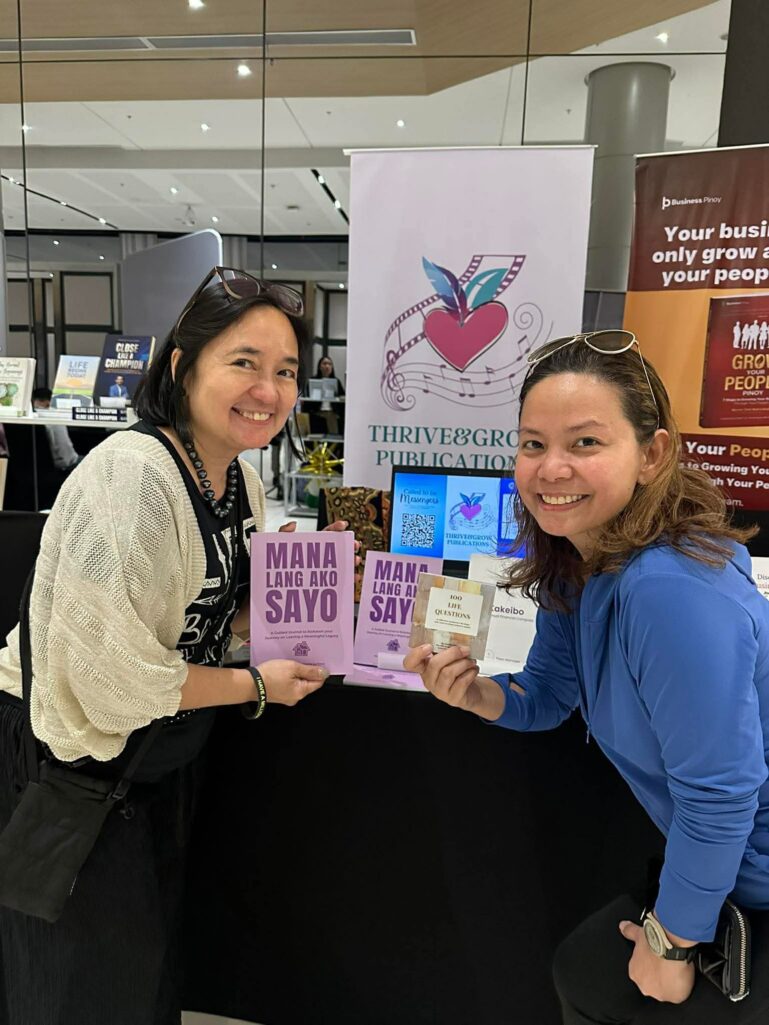
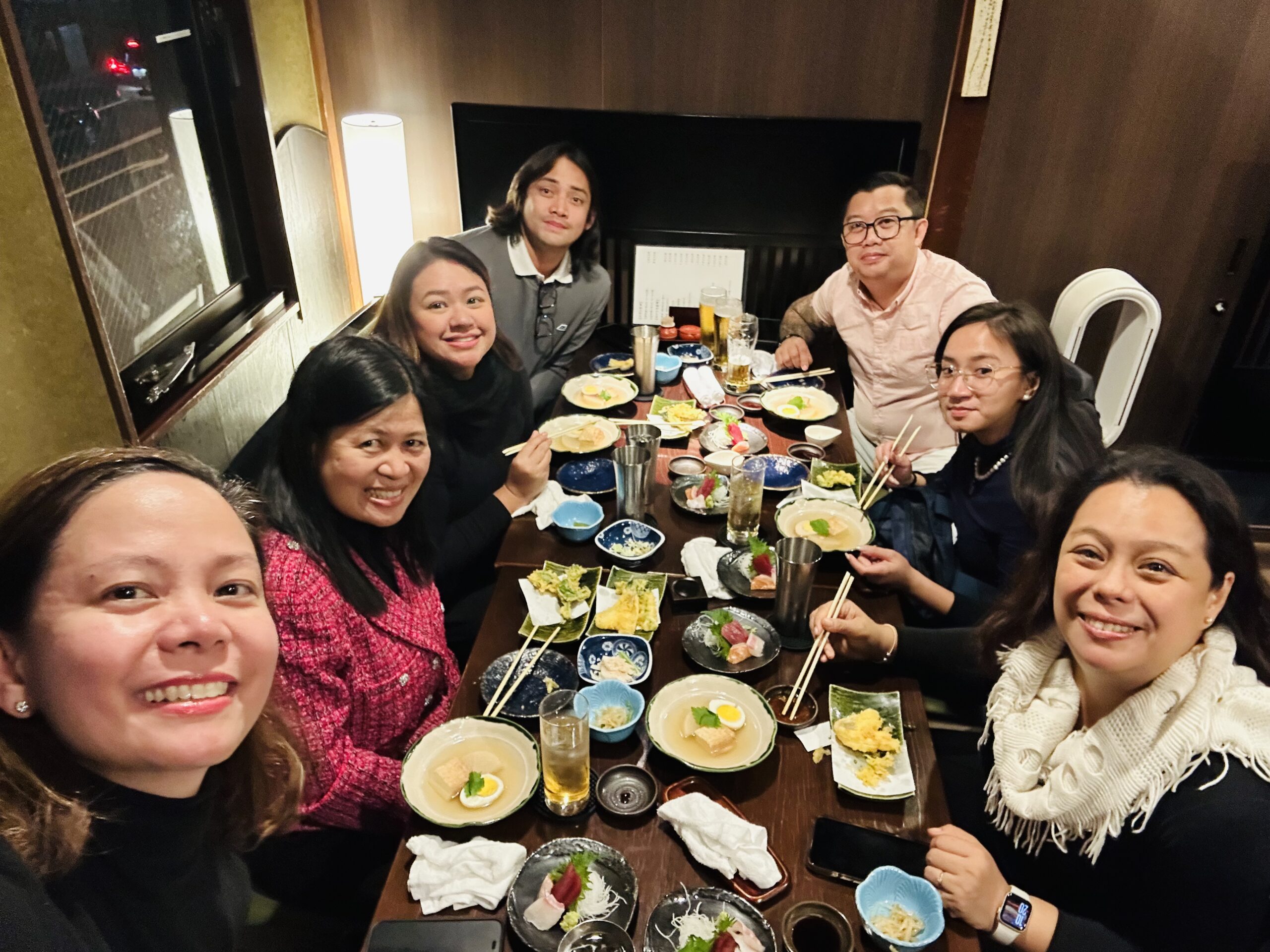
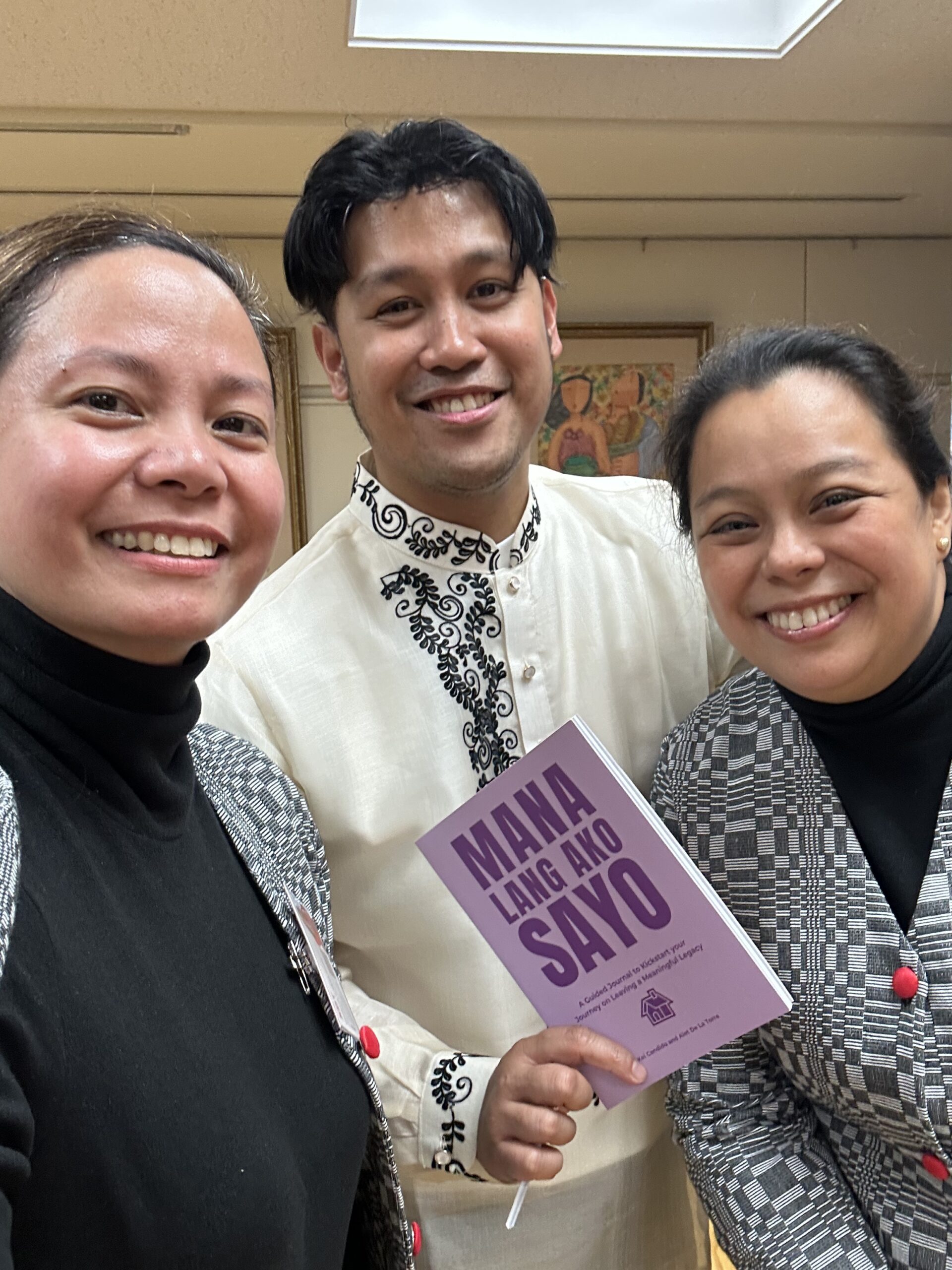
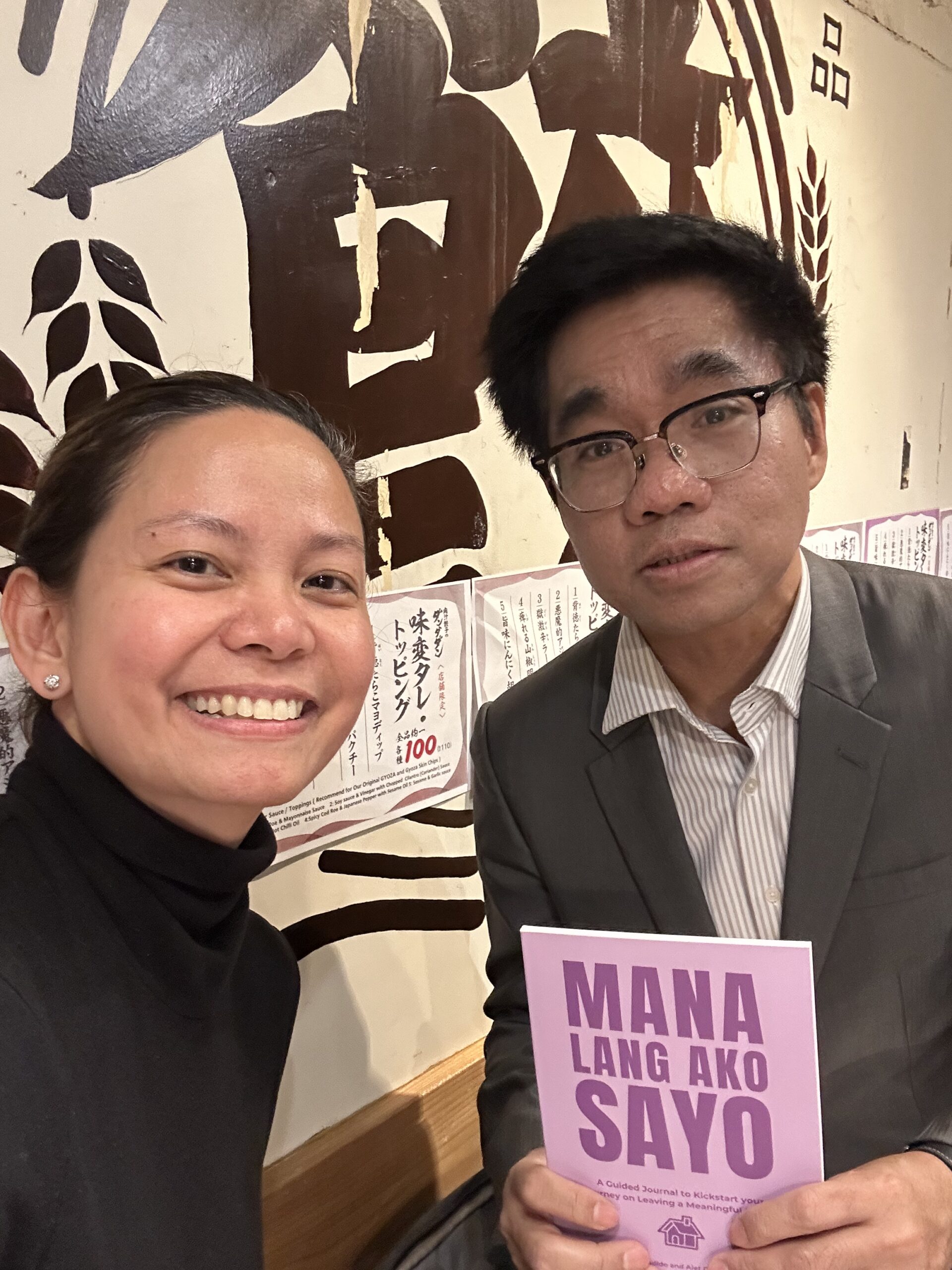
Last March 1, Coach Aiet—author of the inspiring book “Mana Lang Ako Sa’yo”—connected with a remarkable group of individuals at the Millionaire Mind Intensive Philippines hosted by Laurus Enterprises. It was a meaningful gathering of visionaries—entrepreneurs, coaches, and creatives—each driven by purpose and passion.
Among those present was Myrna Tam Natividad, Founder and CEO of Grow Your Business Pinoy, Inc., whose work empowers Filipino entrepreneurs to thrive. Joining her was Kei Candido, co-author of “Mana Lang Ako Sa’yo,” contributing to a shared mission of storytelling and inspiration. Also present was Michelle Oira, a Business Coach and Consultant at BANKing for Growth, known for her work in leadership development and business transformation. Completing the circle was Mae Gomez, a dynamic professional behind Interstellar Events Management Services and Thrive & Grow Book Publishing, championing creativity and collaboration.
More than just a meeting, it was a celebration of growth—of individuals achieving their goals one day at a time.
Yet beyond the introductions and accomplishments, a powerful reflection emerged: in the pursuit of plans and future milestones, we often forget to pause and ask ourselves—Am I happy right now? Am I learning? Am I growing?
Coach Aiet reminds us that purpose is not a destination—it’s a direction. When we become too focused on what’s ahead, we risk missing the beauty and lessons of the present moment.
So here’s a simple but meaningful reminder: Don’t just chase the future—live in the now. Make your one day, your day one. Because at this very moment, you are exactly where you need to be.
If you’ve ever questioned your path or thought about the future you’ll leave behind, this book is for you. Mana Lang Ako Sa’yo is more than a story—it’s a powerful reminder that legacy isn’t just about wealth, but about clarity, harmony, and peace of mind for the people you love.
Don’t leave your family in confusion—start building a legacy with purpose today. Get your copy of “Mana Lang Ako Sa’yo” and start your journey toward financial independence.
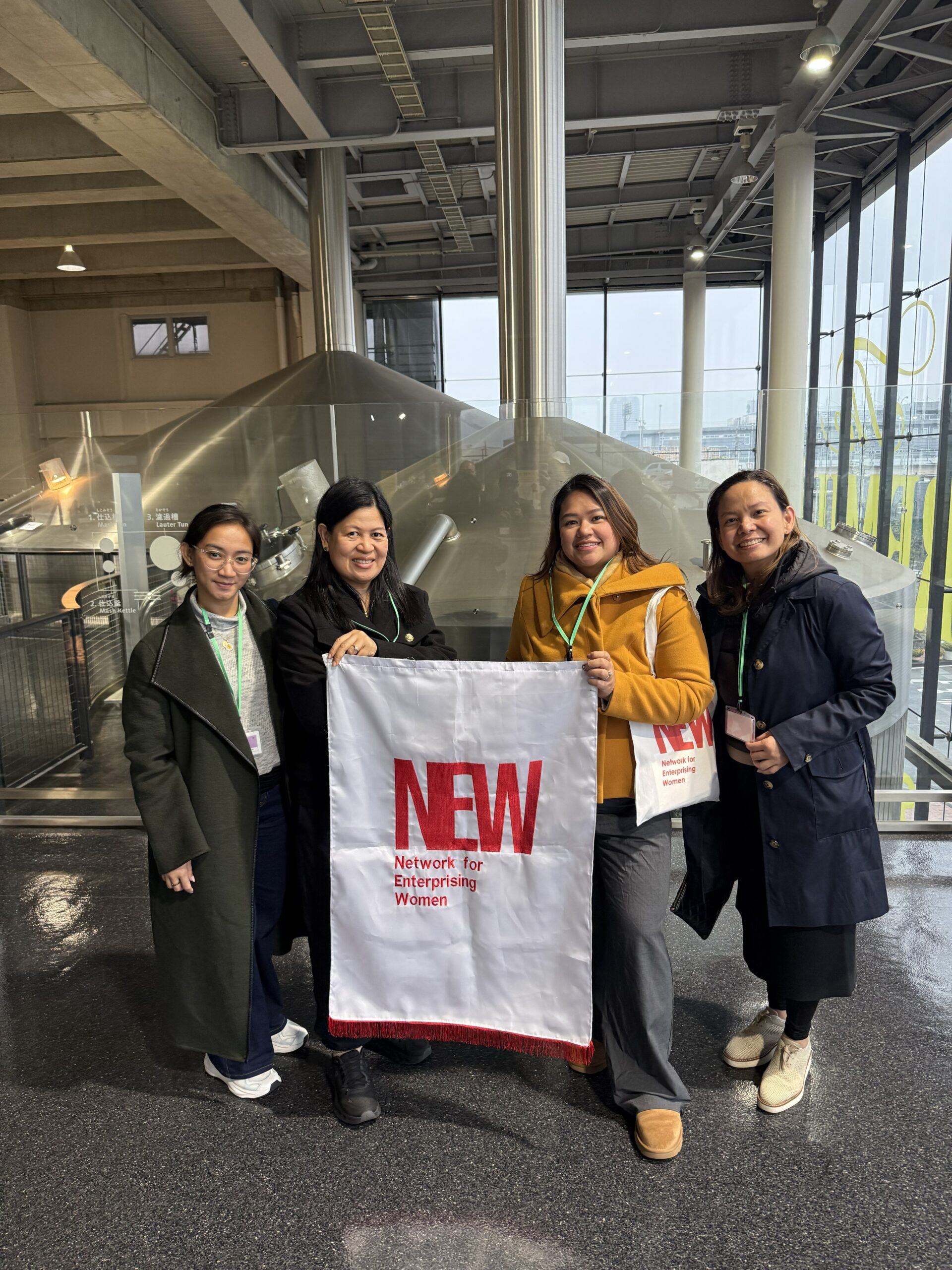
Celebrating 20 years of empowering women through a global journey of leadership, culture, and collaboration
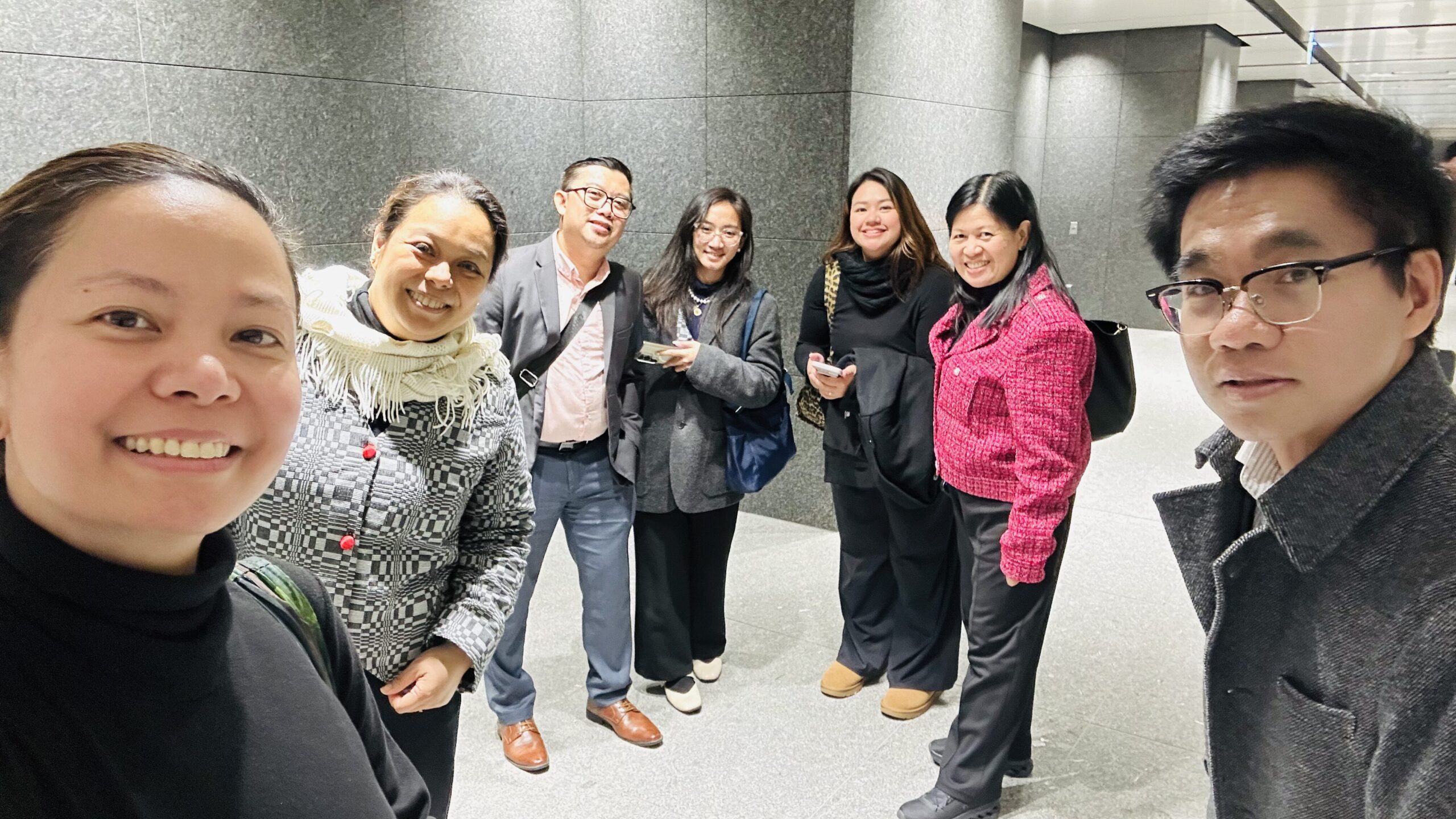
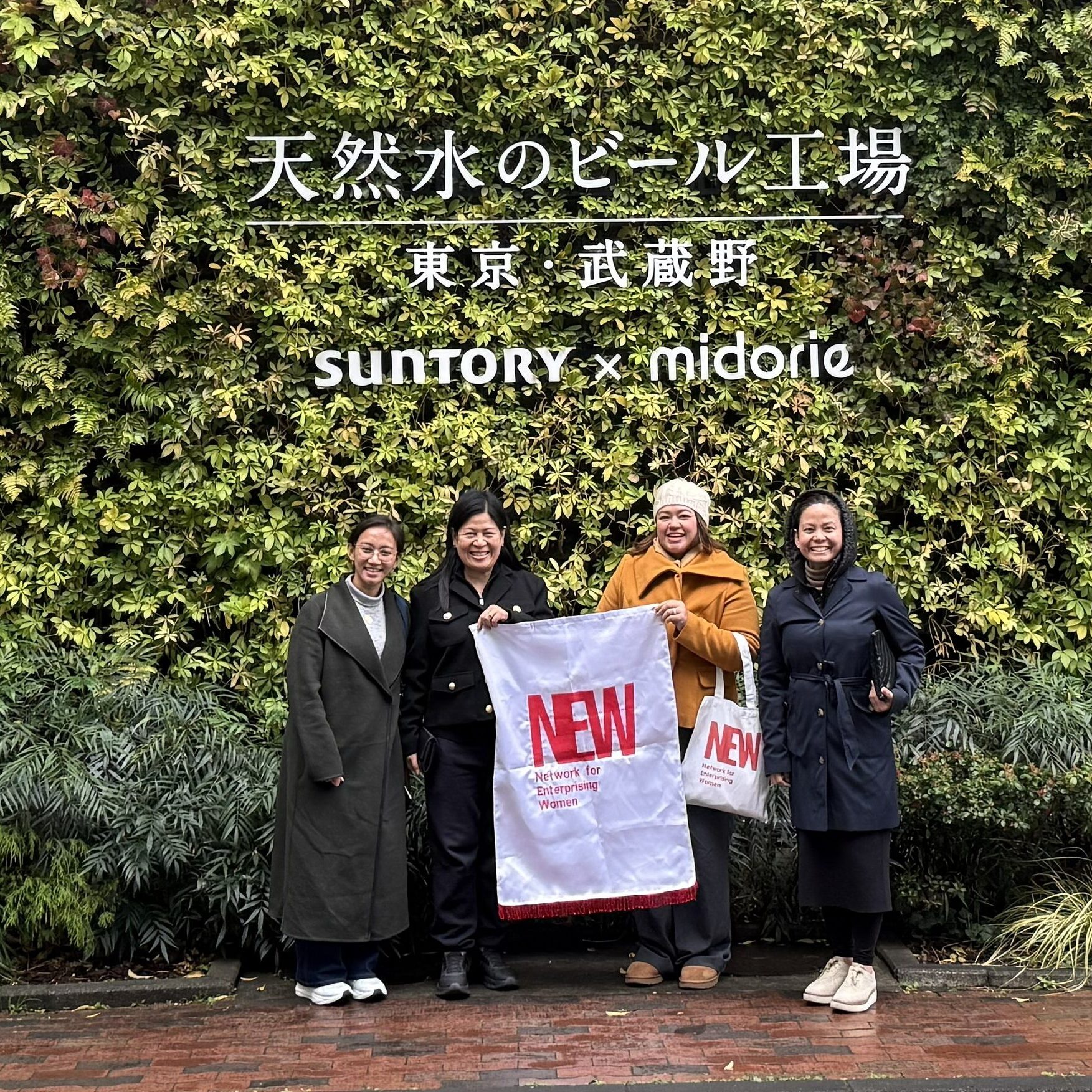
From local impact to global influence, Newphils takes its mission beyond borders—marking its 20th anniversary with a meaningful journey to Japan that celebrates leadership, sisterhood, and international collaboration.
Aligned with the 70th year of Philippines–Japan diplomatic relations and Women’s Month, this milestone trip reflects the growing role of Filipina leaders in shaping communities not only at home, but across the world.
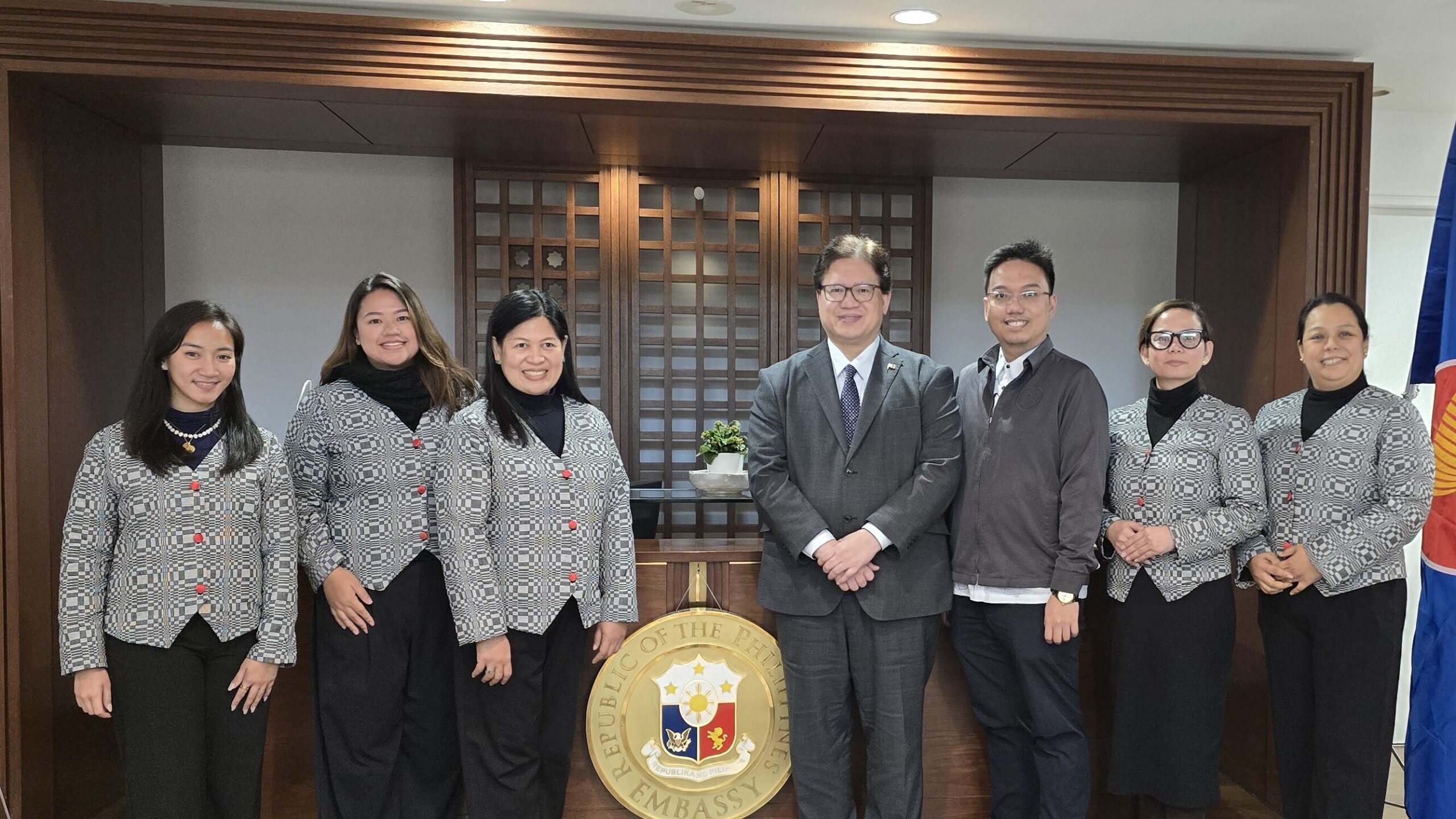
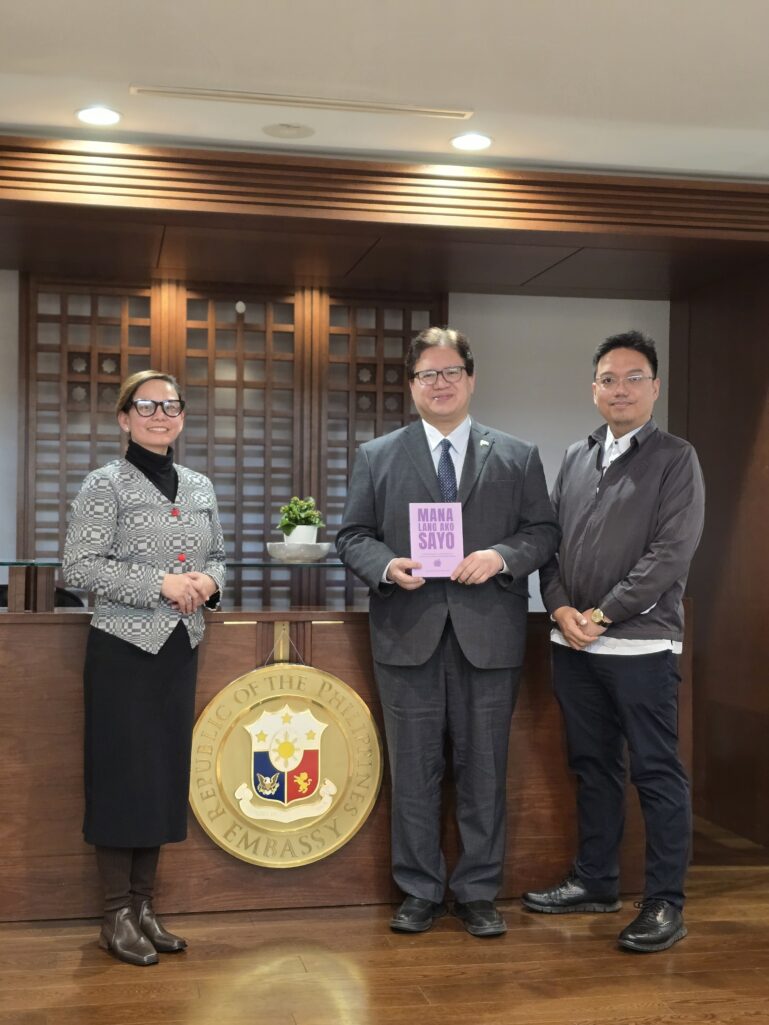
The Network for Enterprising Women (NEW) officially opened its Tokyo visit with a courtesy call at the Philippine Embassy. The delegation met with Christian L. de Jesus, Deputy Chief of Mission / Chargé d’Affaires, and Marx Rulloda, Third Secretary & Vice Consul.
This engagement set the tone for the trip—anchored in diplomacy, collaboration, and a shared commitment to empowering women entrepreneurs across borders.
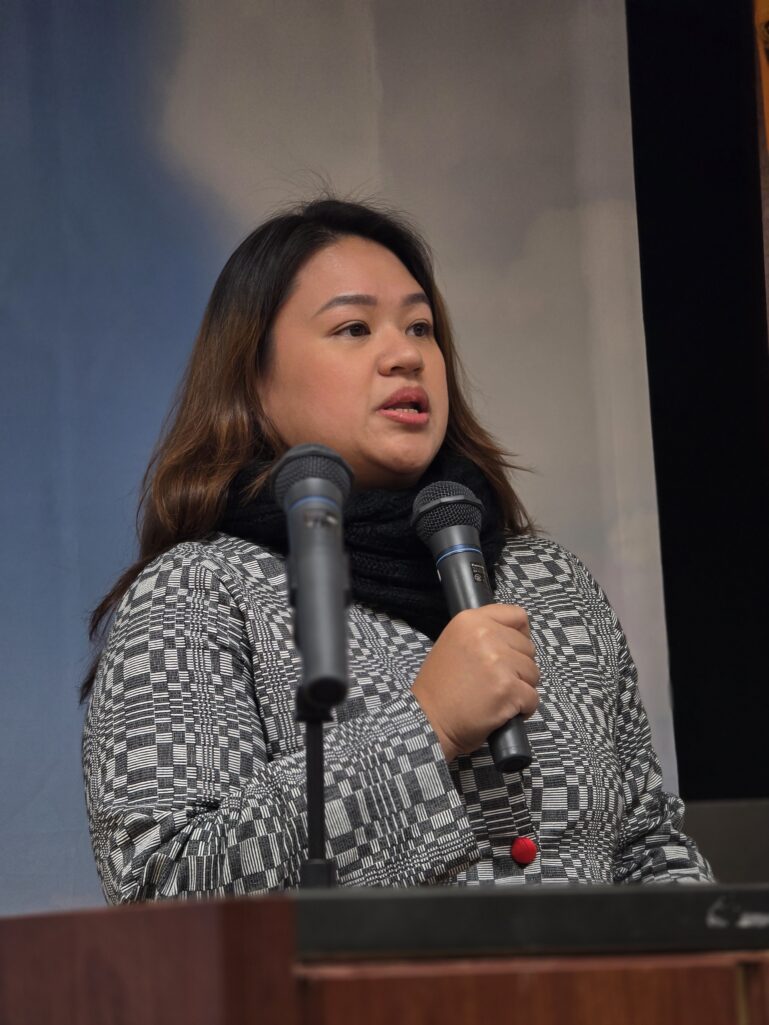
Aiet De la Torre also known as Coach Aiet. As Vice President, Board of Trustees (2025–2027) and the COO of XDT & Company Inc., she continues to champion financial literacy and purposeful leadership.
Reflecting on Newphils’ 20-year journey, Coach Aiet shares a message that captures the heart of the organization’s purpose:
“Newphils was founded to support women MSMEs—their struggles, their growth, and their achievements. More than an organization, it is a sisterhood that fosters genuine friendships, uplifts one another, and sees beyond impossibilities through co-elevation. We believe that when women support women, incredible things happen. Through mentorship, we guide and empower the next generation, helping younger women become the best version of themselves—not just in business, but in life. This is our mission: to create a community where every woman is seen, supported, and inspired to rise.” – Coach Aiet
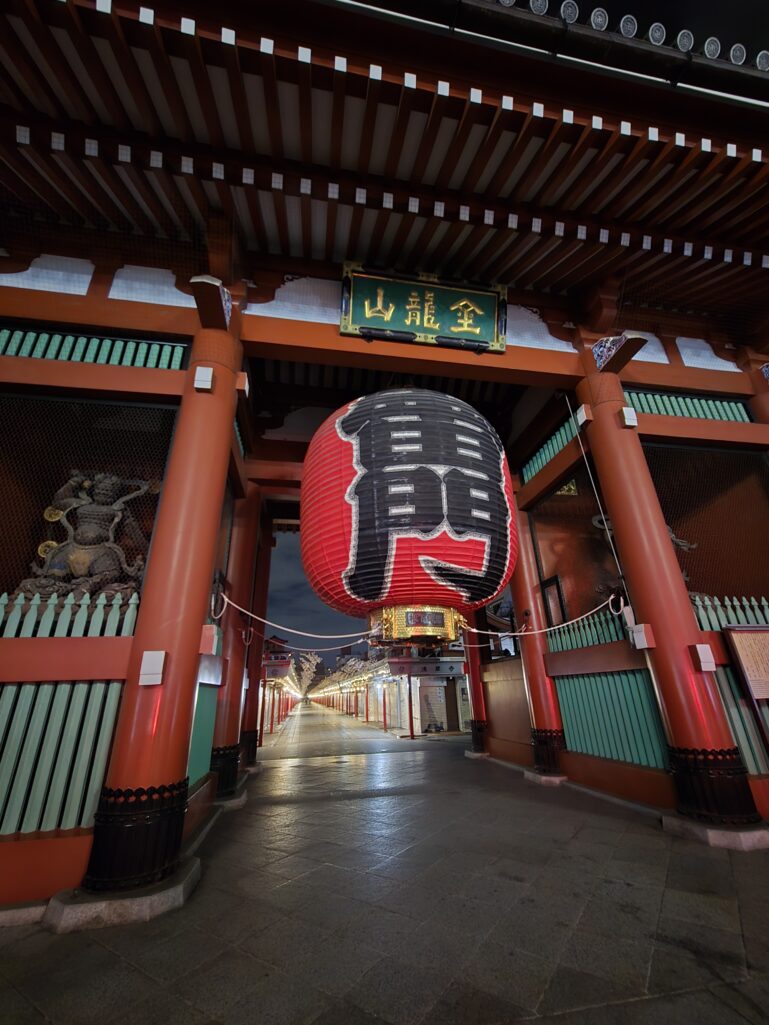
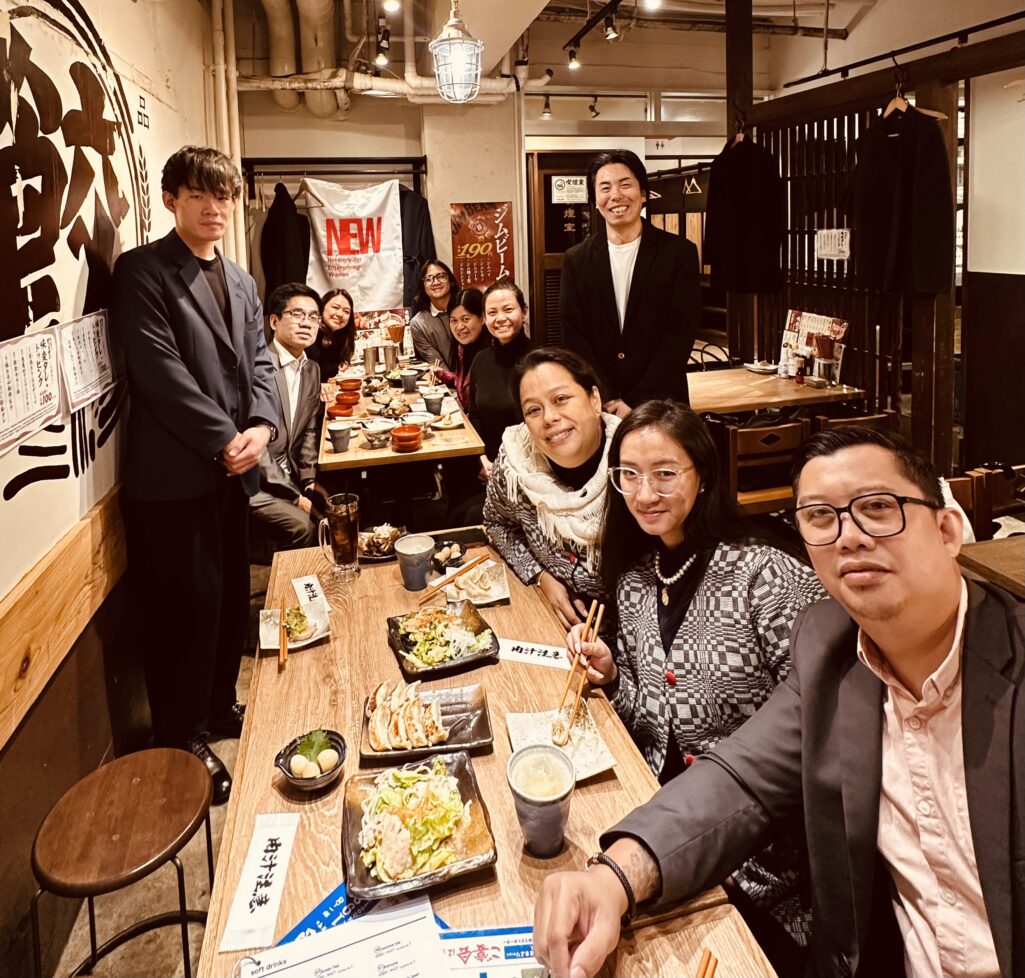
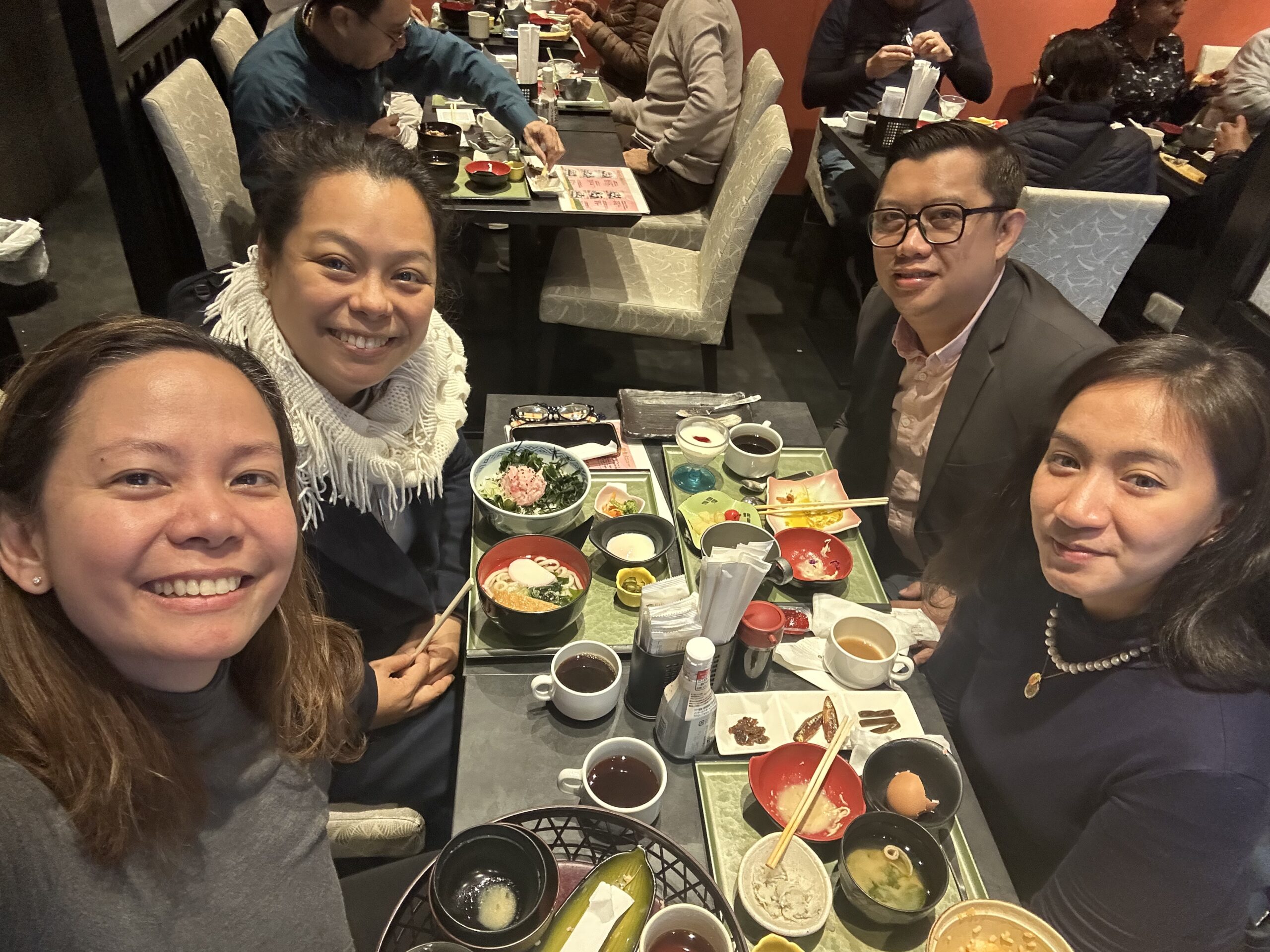
The trip offered a rich cultural immersion—from a traditional tea ceremony to visits in key districts such as Roppongi and Shinjuku, including the iconic Shinjuku Gyoen National Garden during cherry blossom season.
Beyond cultural experiences, the delegation strengthened global partnerships through a networking session with Philippine Chamber of Commerce and Industry Japan, opening doors for collaboration between Filipino entrepreneurs and Japanese businesses.
One of the most meaningful highlights of the journey was the deep sense of sisterhood among the delegates.
They witnessed firsthand the bayanihan and camaraderie of Filipinos abroad—especially through interactions with Filipino-owned businesses—proving that the Filipino spirit thrives globally.
At the same time, they were inspired by Japan’s culture of discipline, loyalty, and excellence, values that resonate strongly with Newphils’ mission.
Women Building Bridges: 70 Years of Friendship
This journey comes at a meaningful time—celebrating 70 years of Philippines–Japan relations alongside Newphils’ 20th anniversary.
It reinforces a powerful truth: The strongest bridges between nations are often built by women—those who connect, collaborate, and lead.
This is reflected in leaders such as Sanae Takaichi, a prominent figure in Japan’s political landscape, and Mylene J. Garcia-Albano, whose leadership and engagement highlight the growing influence of women in diplomacy and international relations.
For two decades, Newphils has remained committed to empowering women entrepreneurs, aspiring professionals, and global Filipinos.
What began as a mission to support women MSMEs has grown into a thriving community that fosters mentorship, collaboration, and shared success—proving that growth is most powerful when it is collective.
Newphils with Coach Aiet: Mana Lang Ako Sa’yo
Through the campaign “Newphils with Coach Aiet feat. Mana Lang Ako Sa’yo,” the message is clear:
Financial empowerment is not something to wait for—it is something to build.
The book encourages individuals to move beyond reliance on inheritance and take ownership of their financial future through informed planning and intentional action.
From embassy engagements to cultural immersion and business collaboration, this Tokyo trip marks a new chapter for Newphils—one that expands its mission beyond borders and into the global stage.
Take control of your financial future today. Don’t wait for opportunities—create them.
Get your copy of “Mana Lang Ako Sa’yo” and start your journey toward financial independence.
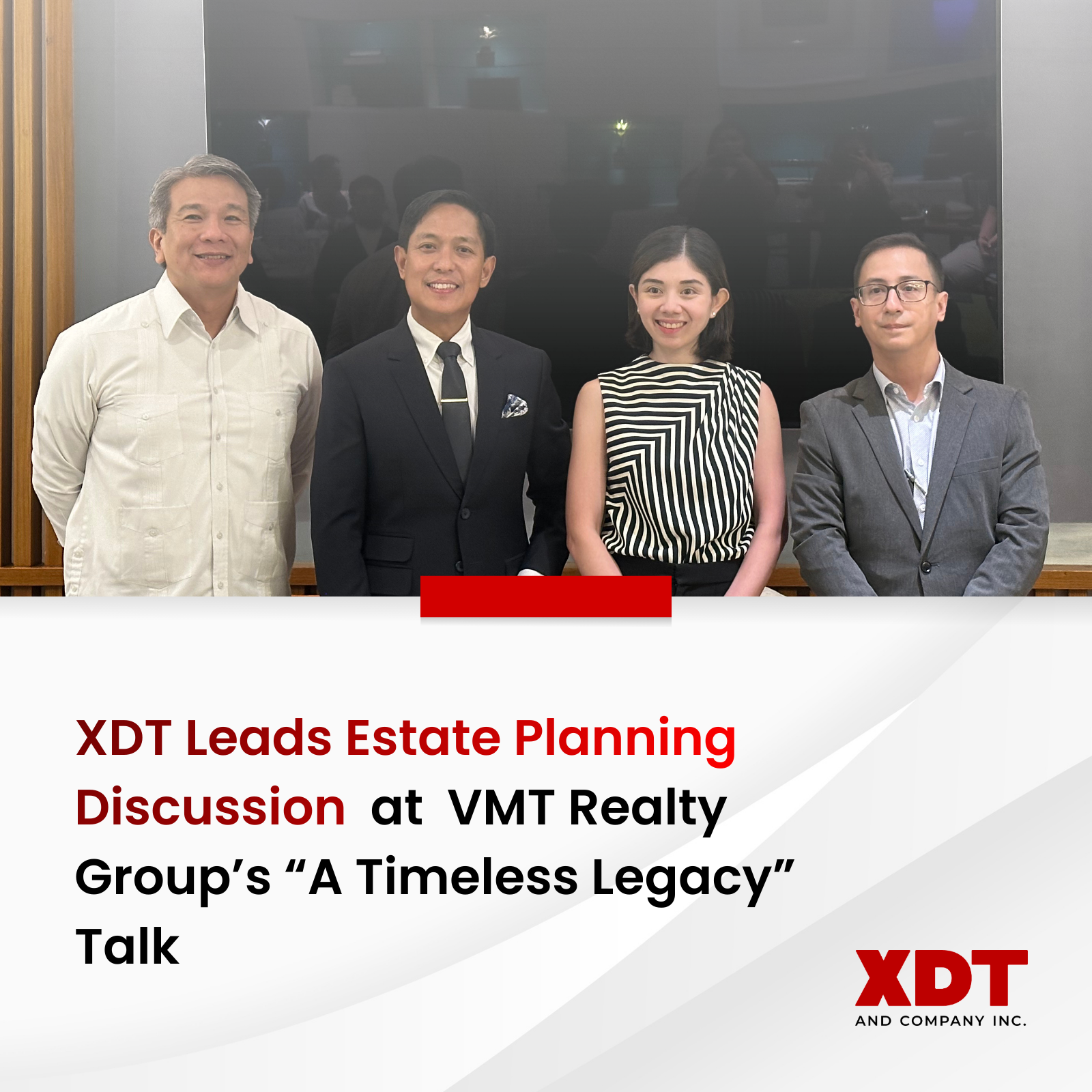
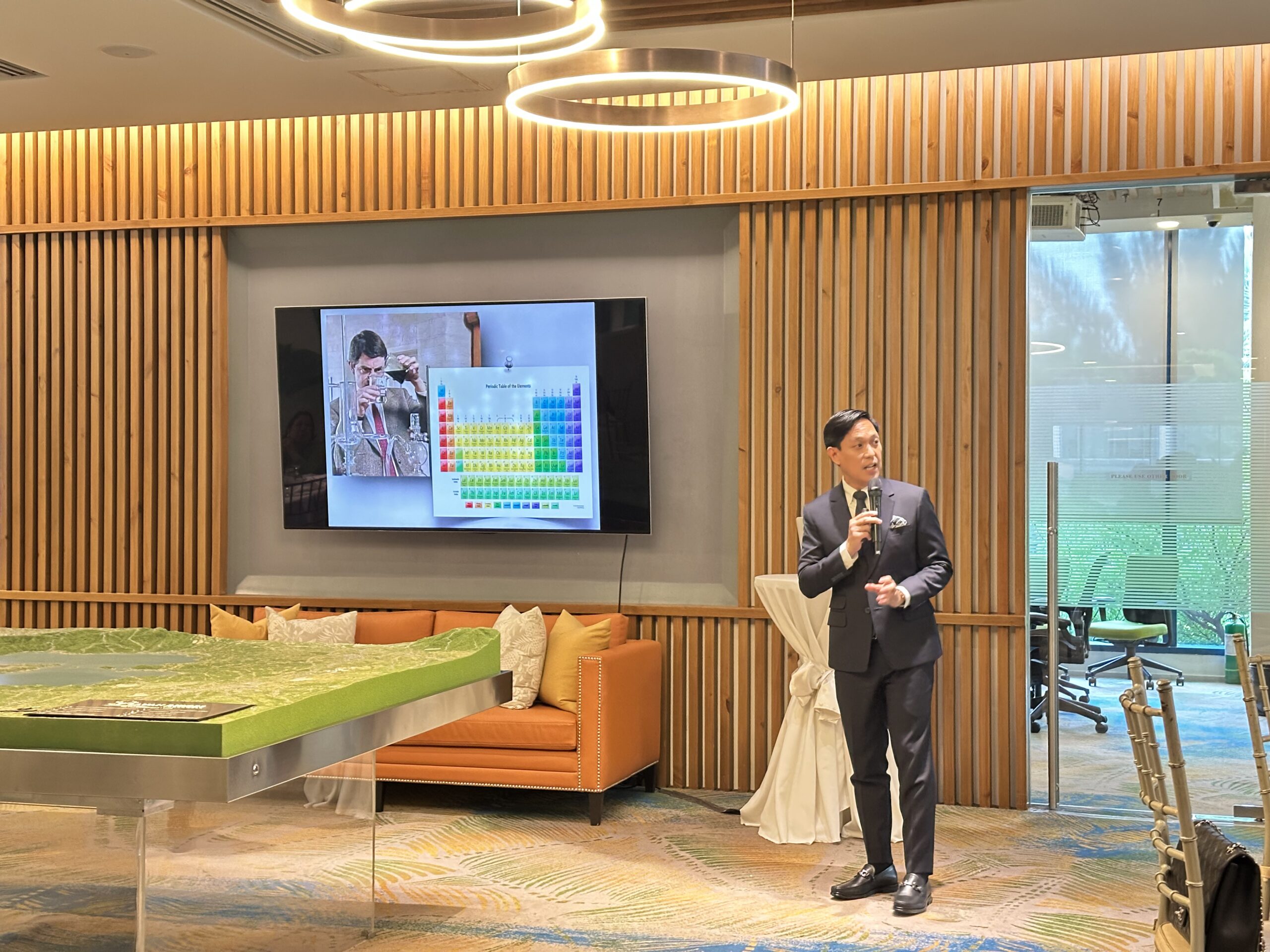
OnMarch 12, 2026, professionals, property owners, and investors gathered for an insightful discussion on estate planning and wealth preservation during the talk titled “A Timeless Legacy,” delivered by XDT at an event organized by VMT Realty Group.
The seminar highlighted the importance of estate tax planning and proactive preparation for transferring assets to the next generation. XDT emphasized how proper planning can help families manage their wealth effectively while minimizing potential legal and tax complications in the future.
During the talk, participants learned how many families encounter difficulties when estates are not properly organized, particularly when dealing with multiple heirs, real properties, and business interests. Through proper estate planning, individuals can establish a clear structure for asset distribution, ensuring that their wishes are respected while reducing financial and legal burdens for their heirs.
One of the key highlights of the discussion was estate tax planning strategies. XDT explained practical steps individuals can take to prepare for estate settlement, such as organizing property ownership, maintaining proper documentation, and understanding the tax implications associated with the transfer of assets. These strategies can help families avoid unnecessary delays and complications during the estate settlement process.
The talk also provided updates on the Real Property Valuation and Assessment Reform Act (RPVARA), a law that aims to standardize and modernize property valuation systems across the Philippines. The measure promotes greater transparency and consistency in real property valuation, which may have implications for property-related taxes and estate settlements.
Another important topic discussed was the government’s tax amnesty programs, which allow taxpayers to settle unpaid tax liabilities under more favorable conditions. In the context of estate planning, these programs can help families resolve long-standing tax obligations related to inherited properties or estates.
The event also featured insights from industry leaders in banking and real estate. Joseph R. B. Lledo, Senior Vice President of the Wealth Structuring Group at BDO Private Bank, shared perspectives on wealth structuring and financial planning strategies. Vince Tablante, Head of VMT Group, provided insights related to the organization’s initiatives and role in bringing together industry experts for discussions on wealth and property management. Meanwhile, Belle Rufino, Assistant Vice President of Rockwell Land Corporation, discussed opportunities and developments in the premium real estate sector.
Held at Rockwell 8, the event ran from 2:00 PM to 5:00 PM and brought together professionals and individuals interested in estate planning, wealth management, and property investment. The three-hour session provided attendees with valuable knowledge on how strategic planning can help build and preserve a lasting legacy for future generations.
Watch the Event Highlights
Watch the highlights of the “A Timeless Legacy” featuring Prof. XY De La Torre.
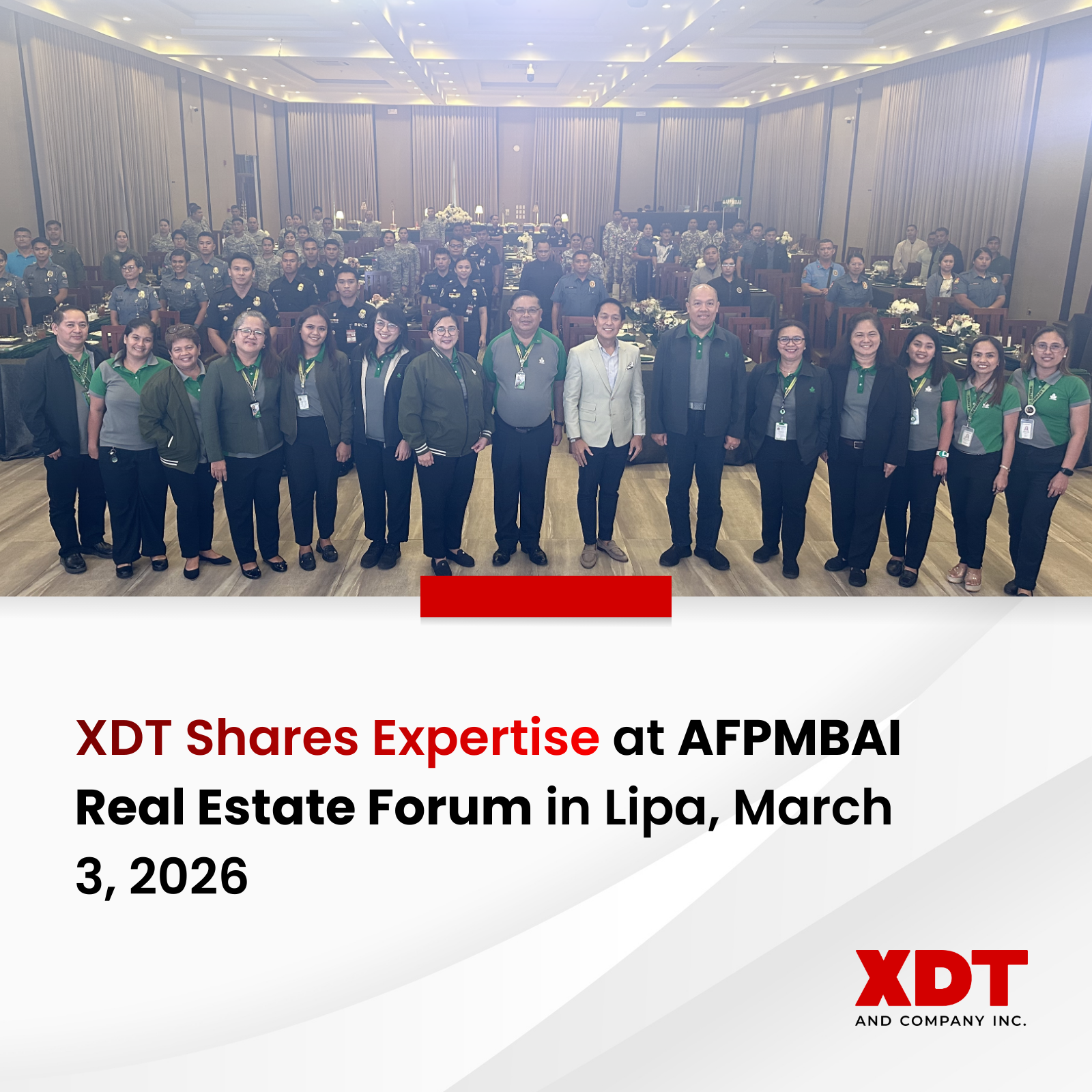
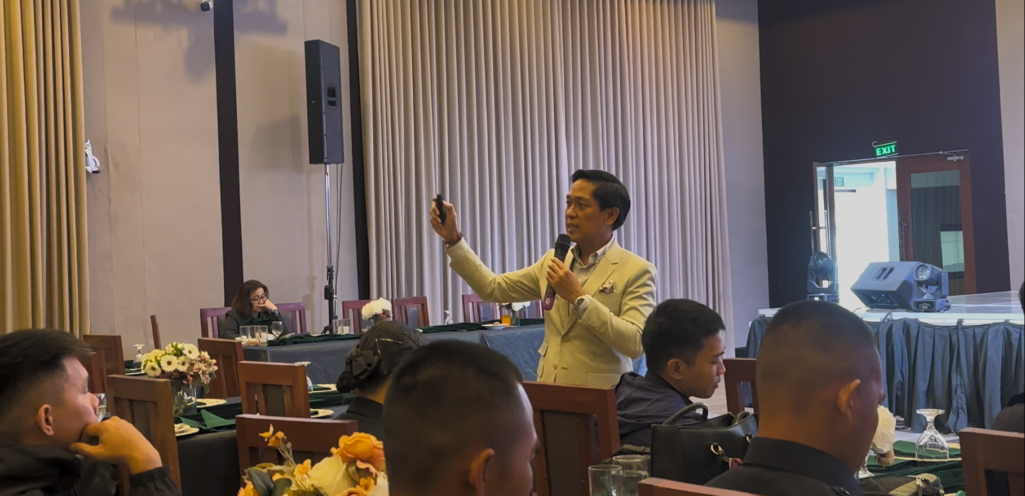
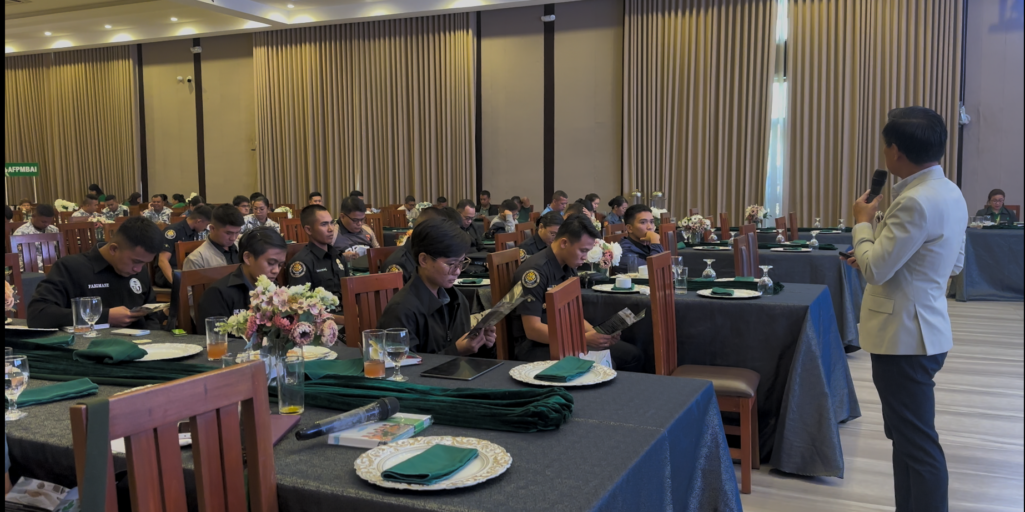
On March 3, 2026, AFP Mutual Benefit Association Inc. (AFPMBAI) hosted a Real Estate Forum at the Aquamarine Hotel, bringing together members and participants interested in expanding their knowledge about property investments and financial opportunities. One of the highlights of the forum was the presentation delivered by Prof. XY of XDT and Company Inc.
During his talk, Prof. XY discussed various aspects of real estate and investment strategies, focusing on the opportunities and long-term benefits that property ownership can offer. He explained the fundamentals of buying and selling real estate, guiding attendees on how to assess investment opportunities, understand property values, and make informed financial decisions.
Prof. XY also shared insights on property acquisition and the importance of planning when investing in real estate. He emphasized that real estate can be a valuable asset that not only provides financial growth but also long-term security when managed properly.
In addition, he discussed the role of donations and asset transfers in property ownership. He highlighted how property donations can be utilized as part of estate planning and financial management, allowing individuals to pass on assets while supporting beneficiaries or meaningful causes.
The forum provided attendees with practical knowledge on real estate investments, acquisitions, and property management. Through his discussion, Prof. XY underscored the importance of understanding both the financial and legal aspects of property transactions.
The event served as an opportunity for AFPMBAI members to gain insights from industry professionals and deepen their understanding of the real estate sector. The Real Estate Forum at the Aquamarine Hotel in Lipa City successfully created a platform for learning, discussion, and professional exchange on the benefits and strategies of property investment.
Watch the Event Highlights
Watch the highlights of the AFPMBAI Real Estate Forum featuring Professor XY De La Torre.
Over the past two decades, the Philippines has made significant strides in liberalizing its regulations and policies to attract Foreign Direct Investment (FDI). Recognizing FDI as a vital driver of employment, export growth, and technology transfer, the Philippine government has rolled out various investment incentives to appeal to international investors. This guide offers a detailed overview of the corporate income tax system in the Philippines, covering tax rates, the basis for taxation, and the incentives available.
Tax Rates
Philippine corporations are taxed on their worldwide income, whereas non-resident corporations are only taxed on income generated within the country. Branch offices of foreign corporations are subject to the same taxation rules as domestic subsidiaries.
Summary of Tax Rates:
Corporate Income Tax: 20% – 25%
Branch Office Tax: 25% (plus an additional 15% tax on remitted after-tax profits)
Capital Gains Tax: Generally aligned with the corporate income tax rate
Taxable Income
Corporate income tax applies to a corporation’s profits, primarily business and trade income. Corporations can deduct standard business expenses when computing taxable income. Alternatively, they can opt for an Optional Standard Deduction (OSD) of up to 40% of gross income, which is irrevocable once chosen for the taxable year.
Taxation of Capital Gains
Capital gains are typically taxed as ordinary income, but profits from selling shares in domestic corporations not traded on stock exchanges incur a 15% capital gains tax. Gains from stock exchange-listed shares are taxed at 0.6% of the gross selling price, while sales of non-business real estate face a 6% final withholding tax based on the higher of the fair market value or sales price.
Dividend Taxation
Dividends received by foreign and domestic corporations from domestic corporations are exempt from taxation, provided they meet certain conditions, including being reinvested in business operations within a specified timeframe.
Losses and Rulings
Losses can be carried forward for three years unless there is a significant change in ownership. The carryback of losses is not permitted. Taxpayers can request tax rulings from authorities to clarify the tax implications of specific transactions.
Year of Assessment and Filing Requirements
Corporations must adhere to a 12-month fiscal year, though it does not have to align with the calendar year. Corporate income tax returns must be filed by the 15th day of the fourth month following the end of the taxable year.
Penalties for Late Filing
Late payments incur a 25% surcharge on the amount due and 12% annual interest on the unpaid tax until settled. Additionally, a compromise penalty may apply, excluding surcharges and interest.
Investment Incentives
The Philippine government offers various incentives to encourage investment, primarily through the Board of Investments (BOI) and the Philippine Economic Zone Authority (PEZA).
BOI Incentives
Eligible businesses may receive:
Income Tax Holidays (ITH): Six years for pioneer enterprises and four years for non-pioneer firms, with extended periods for businesses in less developed areas.
Additional deductions for labor expenses and infrastructure investments.
PEZA Incentives
PEZA facilitates businesses in Special Economic Zones with incentives, including exemption from local and national taxes, except a 5% final tax on gross income and duty-free importation of capital equipment and raw materials.
Deductible Business Expenses
Valid business expenses can be deducted from gross income, thus reducing taxable income. These include, but are not limited to, bad debts, depletion and depreciation, ordinary business expenses, and research and development costs.
Double Tax Treaties
The Philippines has tax treaties with several countries, providing relief on income generated by foreign and resident taxpayers from sources within their territories.
Navigating the corporate income tax landscape in the Philippines can be complex, but understanding the regulations and available incentives is crucial for compliance and maximizing benefits. Companies are encouraged to seek guidance from tax experts to ensure accurate and timely filings. With the proper support, businesses can effectively navigate the corporate income tax system and leverage the opportunities in the Philippine market.
Tax is an essential way for a country to raise revenue, and in the Philippines, one of the main methods used to collect taxes is the withholding tax system. A key part of this system is Section 2.57.2 of Revenue Regulation No. 11-2018, which explains which types of income are subject to withholding tax and the rates that apply to them. Both taxpayers and tax experts must understand this rule to handle taxes properly and avoid any issues.
What is Creditable Withholding Tax?
This tax is a system where the payer of income (employer, corporation, or other entities) withholds a percentage of the income due to the payee (such as an employee or a contractor). The amount withheld is then remitted to the Bureau of Internal Revenue (BIR).
The term “creditable” refers to the amount of tax withheld that can be credited against the taxpayer’s total tax liability for the year. Essentially, the tax withheld is a prepayment of the taxpayer’s income tax, which is later deducted from their final tax due when they file their income tax return.
A Guide to the Fundamental Aspects of Section 2.57.2
Section 2.57.2 deals explicitly with the types of income payments subject to creditable withholding tax (CWT), the rates at which these taxes are withheld, and the procedure for remitting the tax to the BIR.
Here are the essential points covered in this section:
Income Payments Covered by Section 2.57.2 Section 2.57.2 applies to certain types of income, including:
Income payments to professionals, contractors, and service providers include fees for services rendered by self-employed individuals, freelancers, and independent contractors. It can apply to individuals in various professions like consultants, doctors, lawyers, and accountants.
Payments to businesses for particular services or contracts: If a corporation or business receives income in exchange for providing services, this too may be subject to withholding tax.
Income payments to certain types of employees: While employees typically have taxes withheld based on a separate payroll tax system, there are instances where income payments outside of regular salaries (such as bonuses, fees, or allowances) may also fall under the scope of creditable withholding taxes.
Other miscellaneous payments: This includes income like interest, dividends, and royalties, where withholding tax is applicable, though this falls more under different sections of the Tax Code.
Prescribed Rates of Creditable Withholding Tax One of the most important aspects of Section 2.57.2 is the specification of tax rates. These rates vary depending on the income’s nature and the payment’s recipient. The rates are typically progressive and are set by the BIR based on the type of income being paid. For example:
Professional fees and contractor services: The standard creditable withholding tax rate on payments for professional fees (e.g., lawyers, consultants) is usually 10% for individuals and 15% for corporations or partnerships, depending on the contract value and other factors.
Payments to suppliers and vendors: When payments are made to purchase goods or services from suppliers, withholding tax may also apply. This is typically at a rate of 1% to 3% of the gross payment, depending on the nature of the transaction.
Rental income Rent payments to individuals or businesses are often subject to a creditable withholding tax rate of 5%. However, exceptions depend on the amount and type of property being rented.
Who Should Withhold the Tax? Under Section 2.57.2, the payor (the entity or individual making the payment) withholds the tax. This includes businesses, corporations, and even individual taxpayers who make payments for services or income subject to withholding tax. It’s critical that the payor correctly calculates the tax due, withholds it from the payment, and remits it to the BIR on time. Failure to do so can result in penalties and interest charges.
Can You Claim the Tax? Yes! The amount of tax withheld can be credited against the total tax you owe when you file your tax return at the end of the year. For example, if a freelancer receives P100,000 for a service and the payer deducts a 10% withholding tax (P10,000), you can claim P10,000 as a credit when filing your taxes. It counts as part of your tax payment.
Compliance and Filing Requirements The payor must comply with monthly and quarterly filing requirements for remitting the withheld tax. This includes filing the necessary tax returns, such as:
BIR Form 1601-E: For Monthly Remittance of Creditable Income Taxes Withheld (Expanded).
BIR Form 1601-F: For Monthly Remittance of Final Income Taxes Withheld.
Additionally, the payor must issue a Certificate of Creditable Tax Withheld (BIR Form 2307) to the payee. This certificate serves as proof of the withholding tax that has been remitted to the BIR and is used by the payee to claim the credit on their tax return.
Avoiding Common Mistakes
Despite its simplicity, the creditable withholding tax system can be tricky to navigate. Some of the common issues taxpayers face include:
Incorrect withholding rates: If the wrong tax rate is applied, the taxpayer or the payor may face penalties or have to pay additional taxes later.
Failure to issue BIR Form 2307: If a business or payor fails to issue the required certificate, the payee may struggle to claim the credit for the tax already withheld.
Non-compliance with filing deadlines: Failure to remit the withholding tax on time can result in interest charges and penalties, accumulating quickly if not addressed promptly.
Section 2.57.2 of the Tax Code is pivotal in ensuring that taxes are withheld at source, making it easier for the government to collect tax revenue. It’s crucial for businesses and individuals making income payments to understand which fees are subject to creditable withholding tax, the applicable rates, and the filing requirements.
By adhering to the provisions of Section 2.57.2, taxpayers avoid penalties, ensure that they comply with the law, and minimize any potential issues with the BIR.The person or company making the payment is the one who withholds the tax. So, if you’re a business that hires a contractor or pays for services, it’s your job to deduct the correct tax and send it to the BIR.
As Typhoon Kristine sweeps through the area, the dedication of XDT Tax Associates at XDT and Company Inc. shines brightly. While many seek refuge from the storm, this committed team faces the challenging weather, understanding the importance of timely tax filings—specifically the 1601EQ and 2550Q for the third quarter.
The 1601EQ, which covers withholding tax on compensation, and the 2550Q, focusing on value-added tax, are essential documents for businesses aiming to stay compliant with the Bureau of Internal Revenue (BIR). These documents are necessary for businesses to remain compliant with the Bureau of Internal Revenue (BIR), and meeting deadlines is vital to support clients who rely on their expertise.
Driven by a strong sense of purpose, the associates demonstrate initiative by stepping up to meet immediate demands, ready to tackle challenges head-on. Their sense of malasakit—genuine care—fuels their dedication, reminding them that their efforts significantly impact the businesses they serve. As the filing deadline approaches, urgency grows, and they understand that timely submissions can help clients avoid penalties and ensure smooth operations.
The camaraderie among the XDT Tax Associates is palpable. Each member plays a crucial role, working together to complete filings accurately and on time. Their professionalism and teamwork exemplify the best of the accounting industry, showcasing how genuine care for clients can shine through even in challenging circumstances. By prioritizing essential tax filings amidst the storm, they demonstrate their unwavering focus on client needs and community spirit. For them, this is more than just a job; it’s about their steadfast commitment to clients through initiative and malasakit, creating positive impacts in their lives.
XDT Company and Inc. started accepting interns since 2019. For 5 years, XDT continuously upskilled students from different universities with the 3 I’s of XDT On-the-Job Training Program: Immerse, Introduce, Inculcate. As a matter of fact, in January, it welcomed seven new interns from Rizal Technological University and Jose Rizal University.
The 3 I’s Of Xdt On-the-job Training Program: Immerse, Introduce And Inculcate
Immerse
Interns of XDT learn to immerse themselves in work by learning and doing the tasks from basic to complex. XDT believes we will never learn to love our work if we do not know what we are doing. With the guidance of Ms. Poebe Mangilaya, during their first week, interns are introduced to receipts that serve as a foundation to get ready for other complex things to do. Here, you will never be overwhelmed but immersed instead.
Introduce
XDT introduces its interns to the real-world working environment. It reminds the interns that work is not supposed to be exhausting and draining. In line with this, one of the interns described the environment in XDT. According to Mr. Tabinas, in XDT, “The work environment is very lively and energetic, with a constant buzz of collaboration between the employees and focused productivity. I could hear the laughter that mixes with the click-clack of keyboards and the soft murmur of collaboration between employees, it creates a very vibrant atmosphere.”
Inculcate
Above all, XDT inculcates in its interns the significance of faith. A day that started and ended with a prayer is a day full of productivity through His guidance. Interns of XDT commended this. One of them shared that in XDT, “They have a prayer before and after work, which is good in a workplace to guide them in every task they have.”
For students who had an astounding internship with XDT, their journey with XDT does not end with the internship program. As they perform well, they will get a chance to be absorbed and hired as a regular employee. Some of the interns are now tax associates of XDT.
Without a doubt, one of the most exciting phases during college days is internship.
The first day seems like a new realm of discoveries paired with a thud in our hearts on how we will introduce ourselves and blend well. It is where we can assess and apply what we have learned in our institutions. It is also the time to find out more about our chosen field. During this, working in an enticing environment, like in XDT, is a blessing
“There is a penalty for not celebrating your birthdays – the deadline is today!” Last January 19, 2024, no matter how busy January is for XDT, the company prepared a simple birthday”
You’ve probably heard of the phrase, ‘life is a marathon, not a sprint.” But there’s a story I really liked that gave me a different perspective. Life might be a march.
XDT & Company Inc.
Typically responds within the day.
Thank you for reaching out. Please share your concern and our team will assist you as soon as possible.